
E-Invoicing Video
German E-Invoicing Workflow in 3 Minutes
This video shows why German e-invoicing is more than a format question: requirements, XRechnung, ZUGFeRD, validation, archiving, project billing and accounting handoff have to work as one process.
Read transcript
German e-invoicing is not just a new file format. It changes the path from service delivery and invoice data into accounting, archiving, and increasingly digital VAT reporting. If the topic is treated only as a PDF problem, the real workflow work is usually missed. First, clarify the obligation. For many supplies between domestic German businesses, structured electronic invoices have been relevant since January first, twenty twenty-five. Transitional rules, exceptions, and concrete cases need tax review. Operationally, however, companies already need receiving, processing, and auditability to work. Then comes the format decision. XRechnung is especially important in German public-sector contexts. ZUGFeRD, also known as Factur-X, connects a readable PDF with embedded structured data. UBL, CII, and Peppol BIS matter in European and network contexts. The decisive question is not the label, but what the recipient, system, and process actually require. A reliable e-invoice starts with clean invoice data. That includes the delivered service, tax treatment, recipient, order references, payment terms, mandatory fields, and any customer-specific requirements. If these details are collected only at the end, the invoice may be created, but the workflow will not be reliably checkable. On the receiving side, the task is control. Companies need to make e-invoices readable, validate them technically, review them commercially, and archive them in an audit-proof way. The original file, a visual representation, attachments, validation status, and accounting treatment should remain traceable later. This becomes very visible in project and professional-services billing. Messy time bookings, weak service descriptions, missing approvals, and unclear recipient logic rarely produce good invoices. Time records, evidence, approvals, and accounting handoff have to fit together before they become professional e-invoices and reliable timesheets. The sensible next step is therefore not a rushed format choice, but a short workflow check. Which formats do you really need? Can you receive, validate, and archive? Do project data and accounting handoff line up? The Momentum Advisory e-invoicing check helps make these gaps visible.
Key moments
- 00:00
Why e-invoicing is workflow work
- 00:17
Requirement and receiving capability
- 00:38
XRechnung, ZUGFeRD, UBL/CII and Peppol
- 01:01
Clean invoice data before the invoice
- 01:22
Receiving, validation, review and archiving
- 01:42
Project billing and timesheets
- 02:05
E-invoicing check as next step
Next steps after the video
Online E-Invoicing Check
Check where formats, receiving, validation, archiving and accounting handoff still have workflow gaps.
E-Invoicing Automation
Turn obligation, format decisions and process data into a reliable invoice routine for Germany.
Project Billing and E-Invoicing
Connect time entries, service evidence, approvals and recipient requirements with invoice-ready data.
Related guides
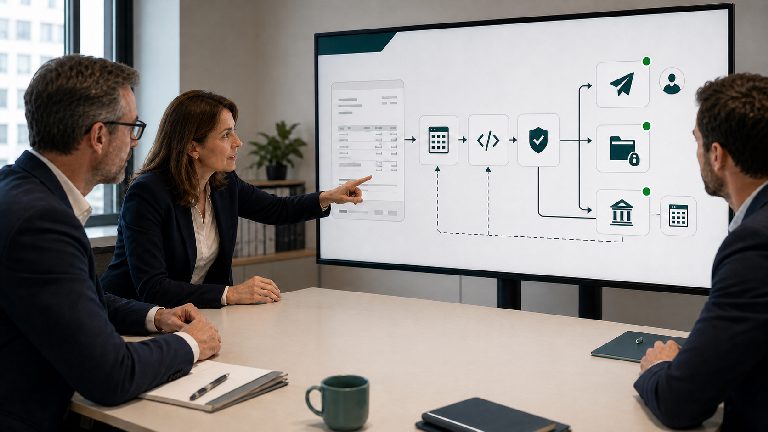
German E-Invoicing: Requirements, Formats and Workflow
What companies need to know about German e-invoicing: 2025 obligation, XRechnung, ZUGFeRD, receiving, validation, archiving and practical next steps.
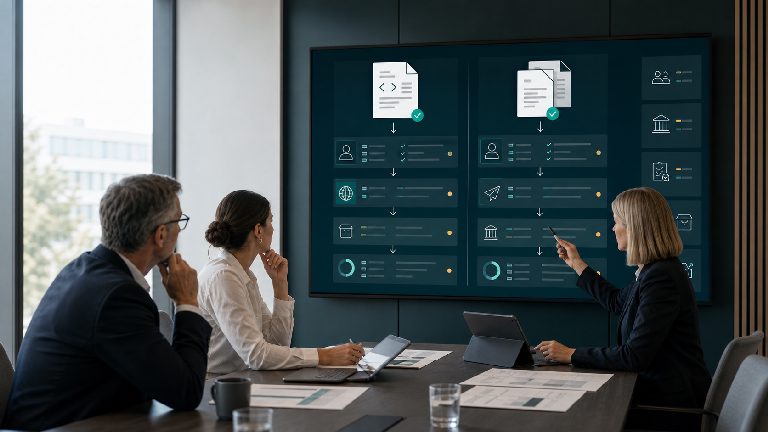
XRechnung or ZUGFeRD: which format fits?
Compare XRechnung, ZUGFeRD and Factur-X in practice: recipient, readability, XML, PDF/A-3, EN 16931 and workflow decision.
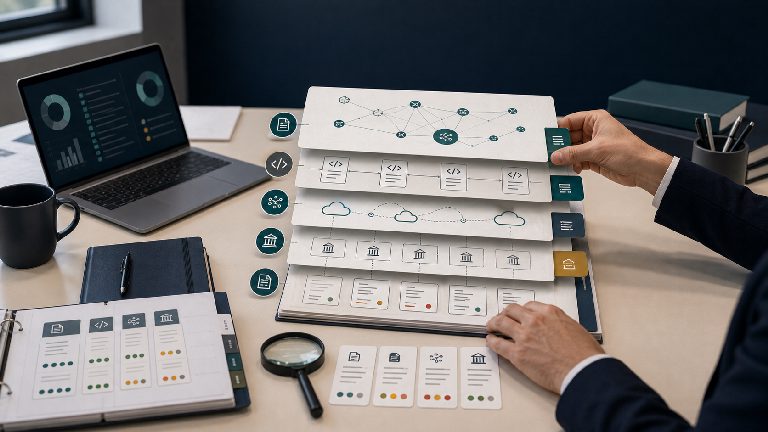
E-Invoicing Formats in Europe
A practical overview of relevant European e-invoice formats, standards and national systems without thin country pages.
